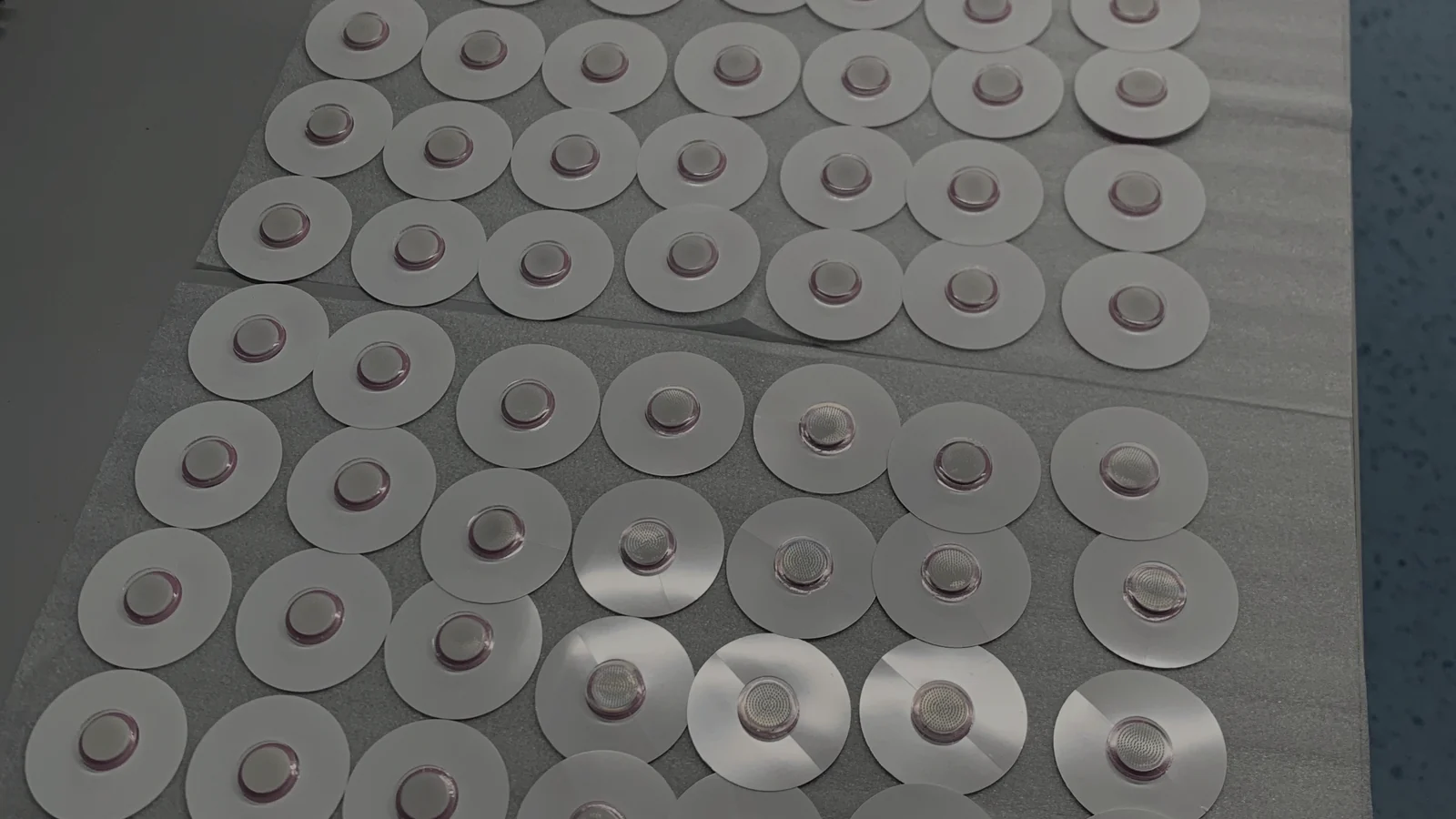
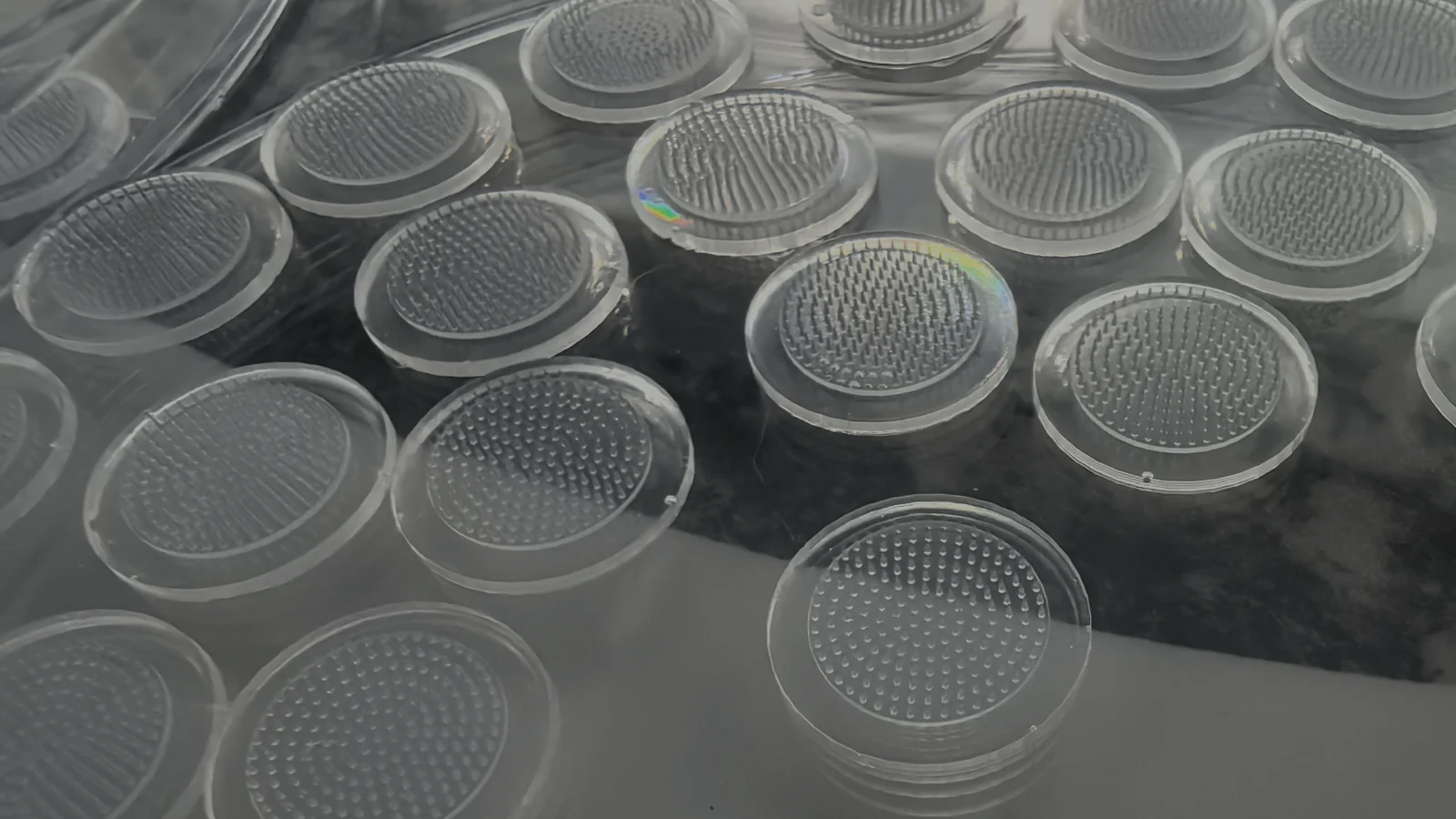
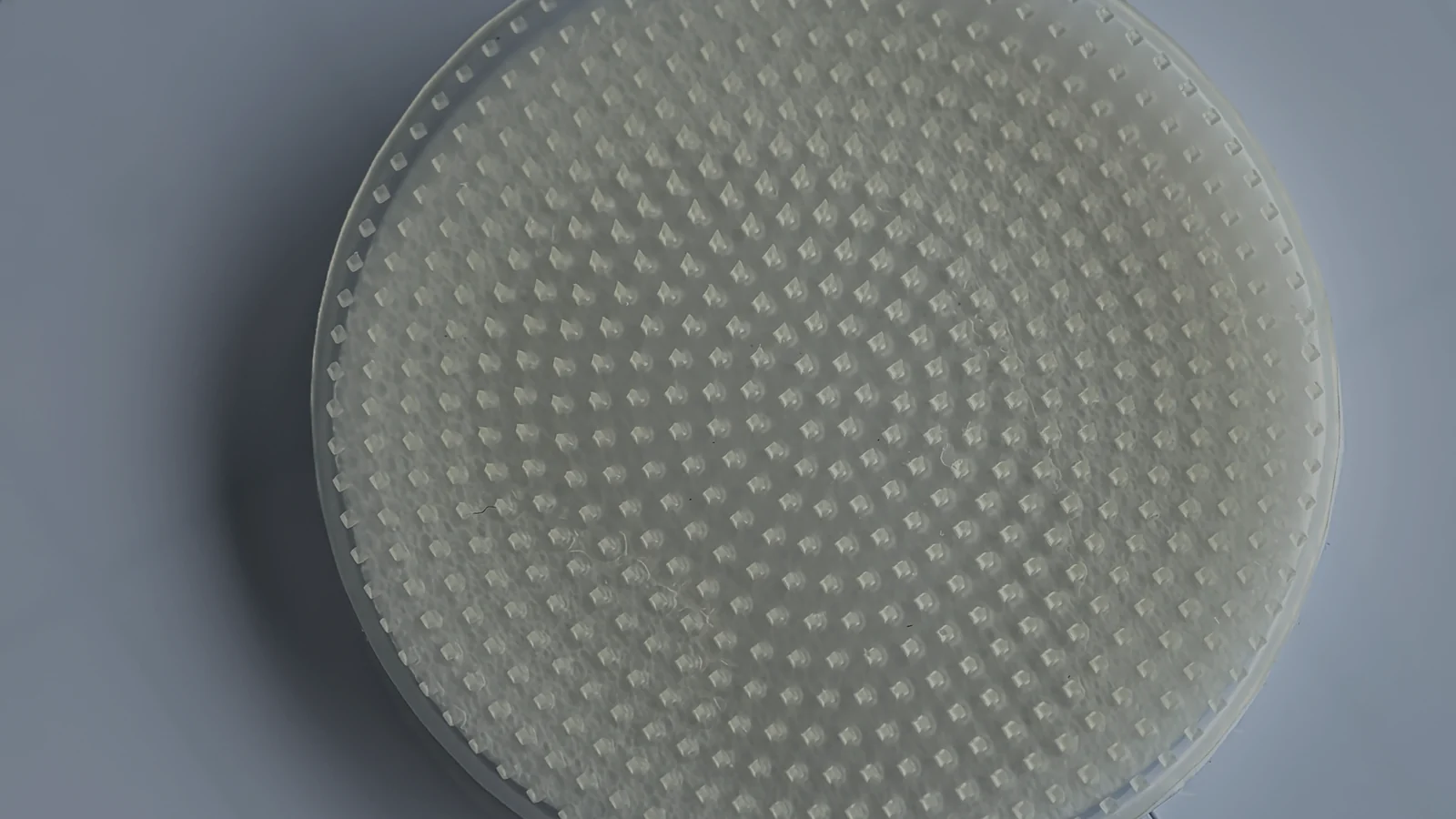
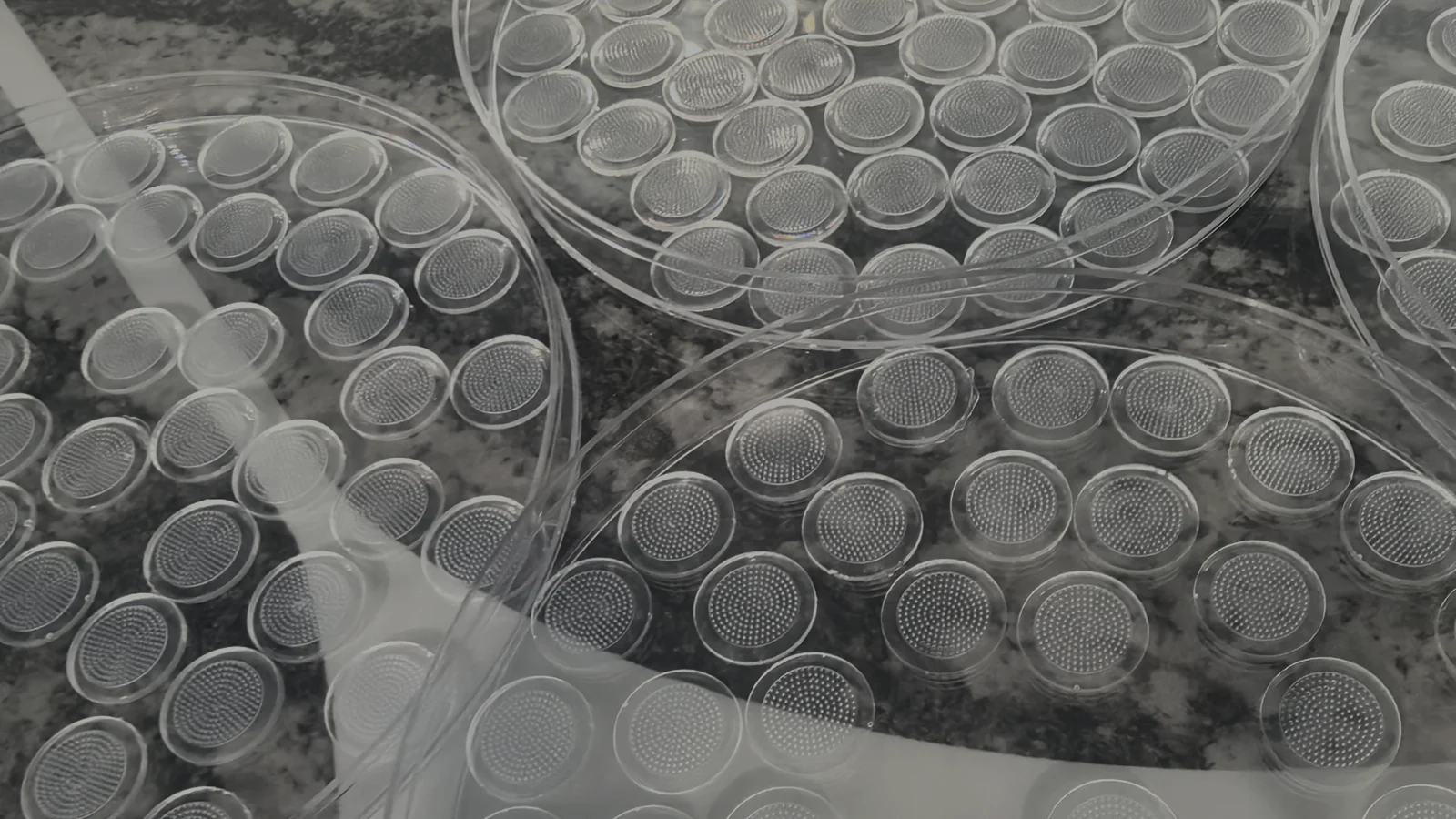
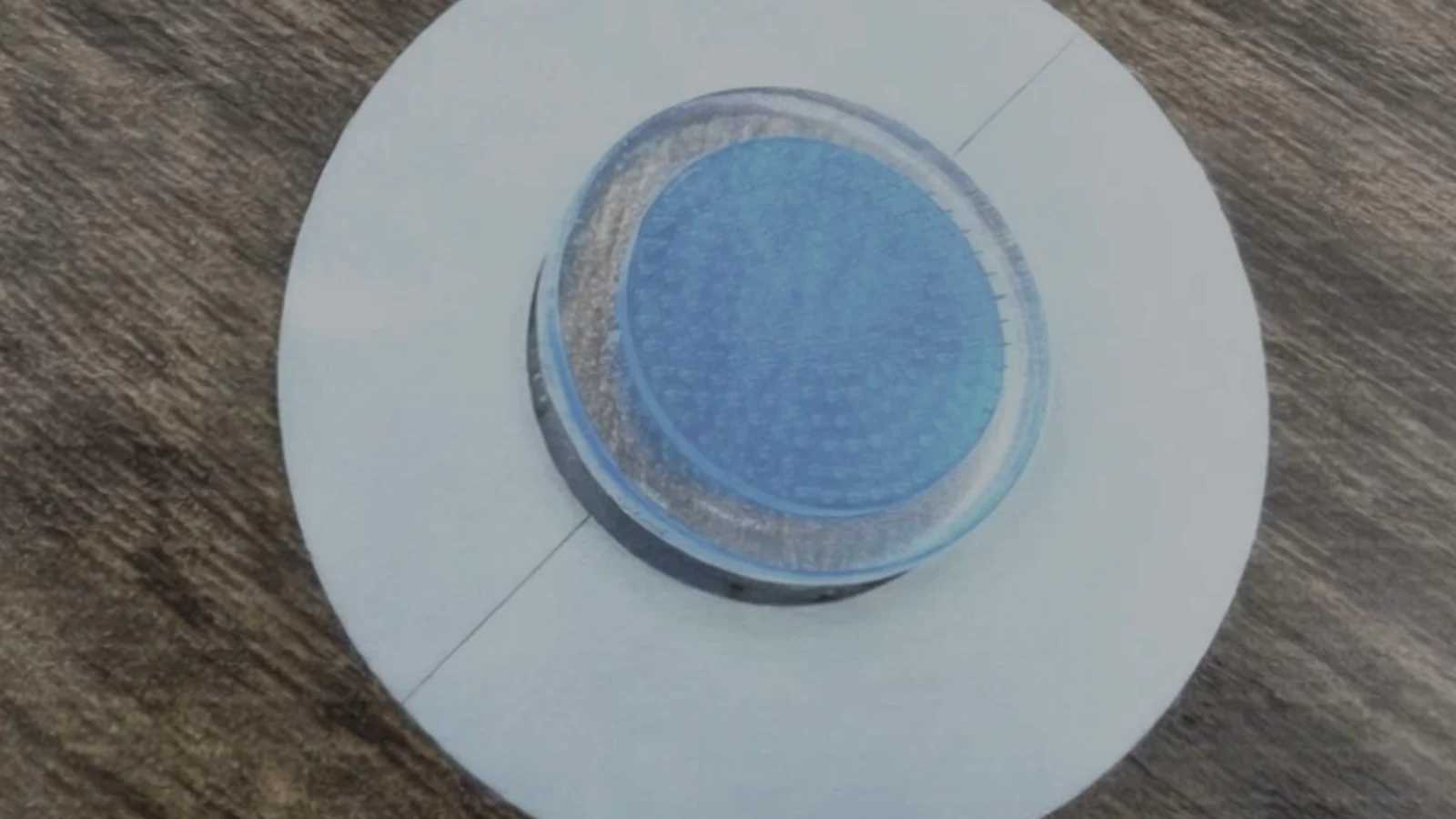
Custom mold and array
Height, base, taper, pitch, density, footprint and handling.

End-to-end development for custom formulation, microneedle mold and array engineering, stability strategy, pilot manufacturing and commercial transfer.
Cosmetic skincare projects only. No prescription actives or pharmaceutical drug-delivery systems.
Slide 1 of 6
Each decision is tied to the final cosmetic use, evidence need, manufacturing risk and target market.
Height, base, taper, pitch, density, footprint and handling.
Matrix selection, peptide protection and active compatibility.
Release, stability, mechanical, dissolution and package questions.
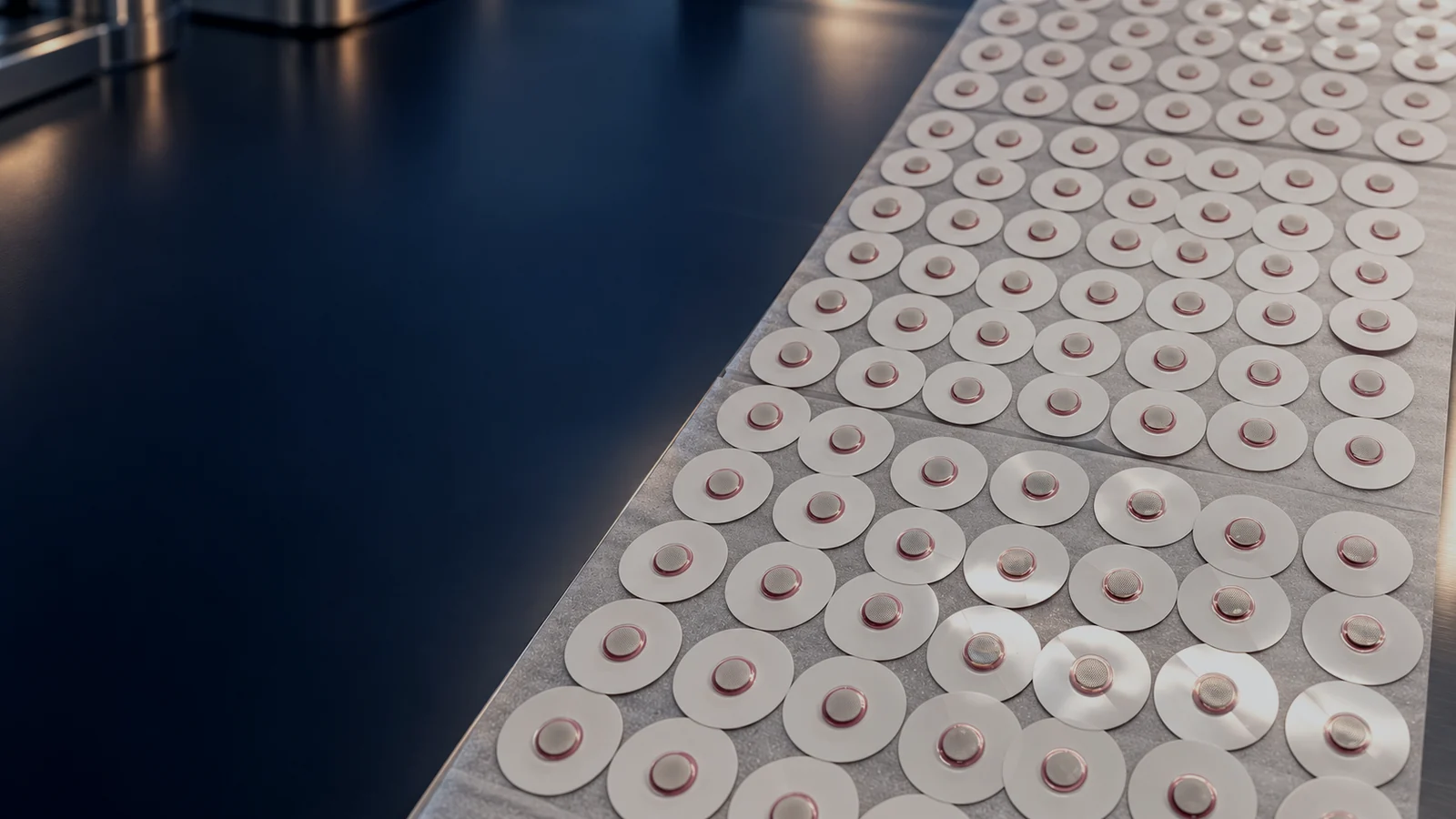
Representative equipment, process windows and transfer controls.
Formula, array, drying, moisture, backing and packaging are not independent modules.
Translate rheology, filling, shrinkage and drying into reproducible arrays.
Read the technology overview →Map process exposure and define product-specific verification.
Screen ingredient candidates →Develop geometry and conditioning around the application and method.
Plan a custom array →The broad peptide catalog is filtered here for cosmetic relevance. Labels are changed from raw-material purchasing language to formulation-screening actions.
Copper-peptide identity, oxidation, pH and package review.
Appearance-focused cosmetic concept with process verification.
Dispersion, matrix compatibility and analytical planning.
Niacinamide, caffeine, ectoin, panthenol and compatible options.
Anonymized examples focus on challenge, workstream and deliverables without invented client names or performance claims.
Compatibility screen, array observation and pilot decision gate.
Contour, process exposure and moisture-barrier planning.
Localized geometry, claims boundary and evidence-gap review.
Share the intended cosmetic use, target market, desired active, patch area, project stage and timing.