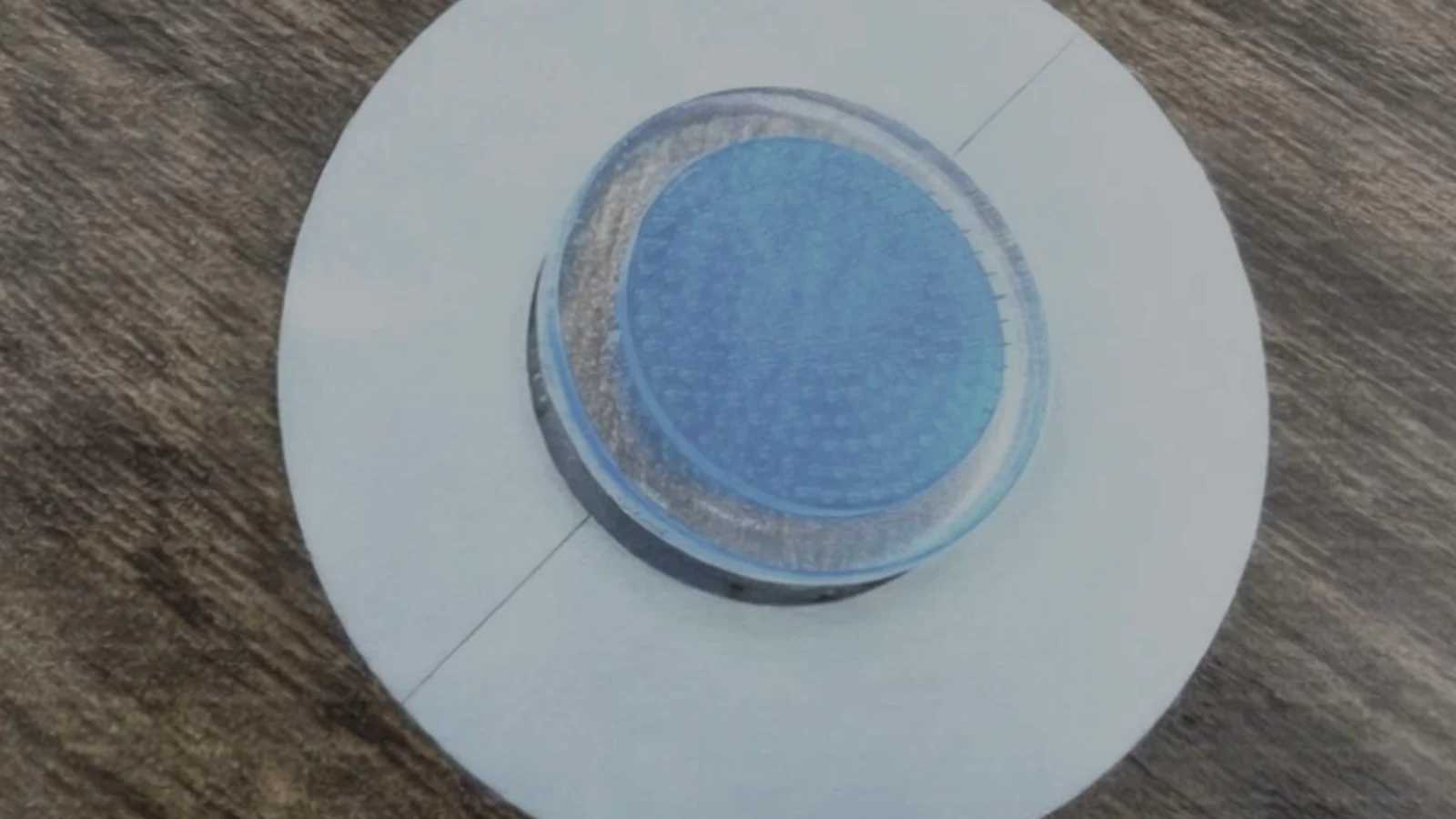
How to Select Needle Height for Under-Eye Cosmetic Microneedle Patches
Needle height should be selected with geometry, backing, skin area, intended cosmetic use, safety plan and market classification—not copied from a competitor.
Read guide →
Technical articles about formulation, custom arrays, stability, pilot transfer, quality planning and market boundaries.
Slide 1 of 6
Use this library to connect formula, array, process, evidence and market decisions. Each guide leads with a direct answer, states its limits and identifies what project-specific information is still required.
Needle height should be selected with geometry, backing, skin area, intended cosmetic use, safety plan and market classification—not copied from a competitor.
Read guide →Incomplete filling, bubbles, brittleness, tack, deformation and active loss usually require a root-cause review across formula and process.
Read guide →Mechanical performance is influenced by geometry, matrix composition, moisture, drying, backing, storage and test method.
Read guide →Classification depends on intended use, claims, ingredients, design, instructions and market context; the word cosmetic alone does not settle it.
Read guide →Scale-up requires process understanding, representative equipment, in-process controls, accepted specifications and clear change decisions.
Read guide →A useful stability plan links formula, array integrity, moisture, packaging, storage and claims to predefined decisions.
Read guide →Height is only one input; base geometry, taper, pitch, density, footprint, backing and formula mechanics must be reviewed together.
Read guide →Peptide stability is a system question involving identity, matrix, pH, oxygen, light, hold time, drying, residual moisture and packaging.
Read guide →