
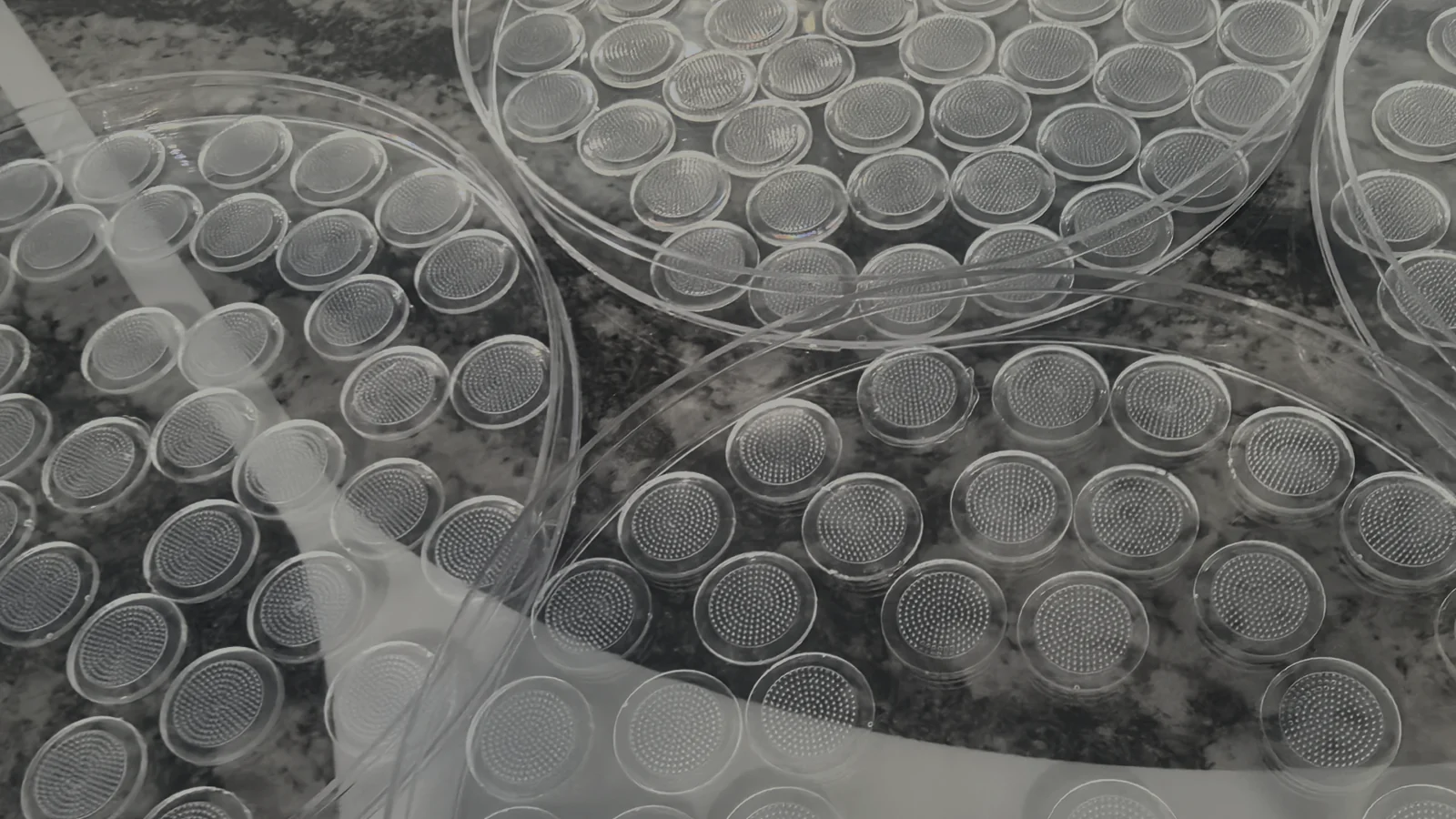
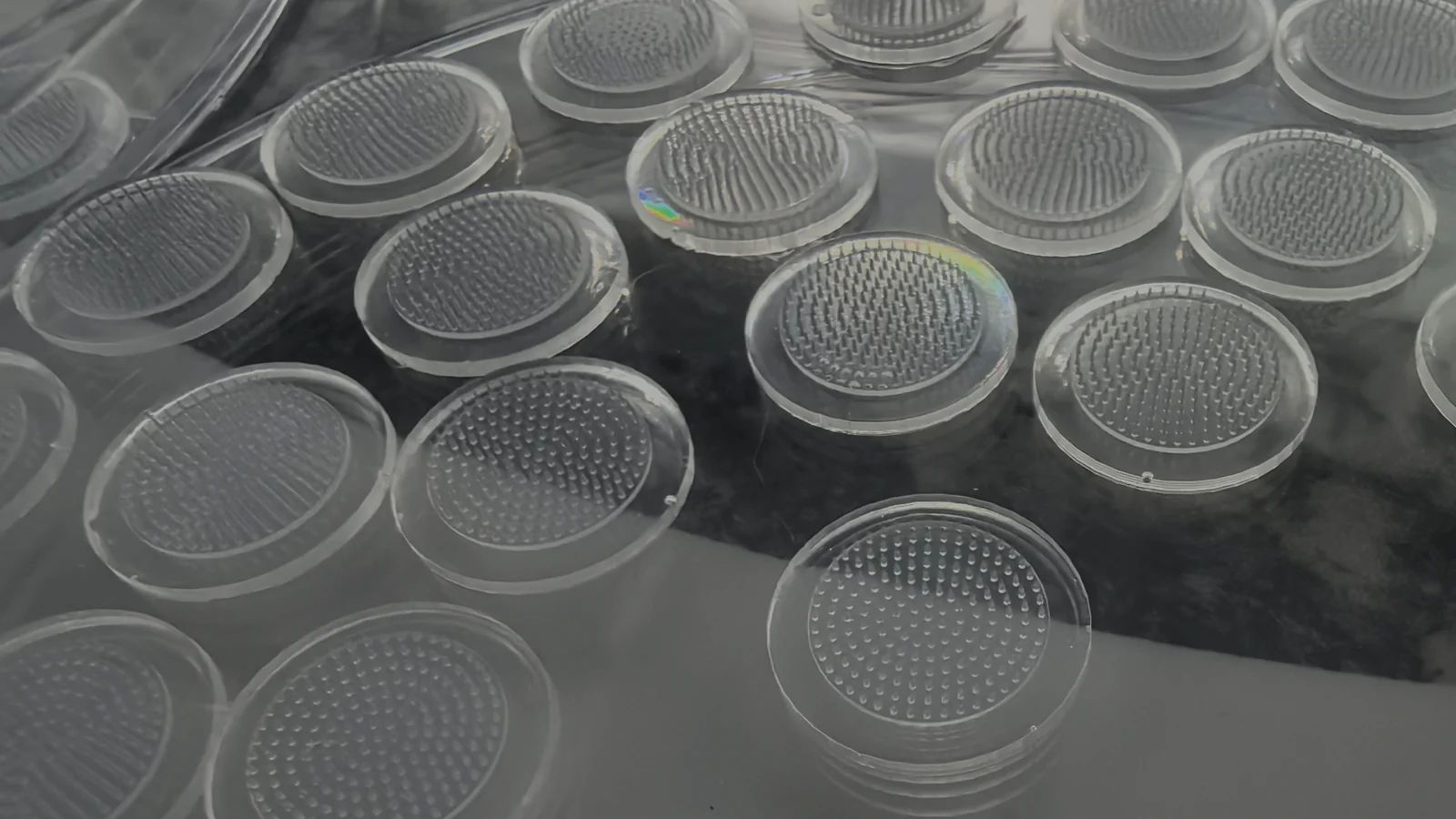
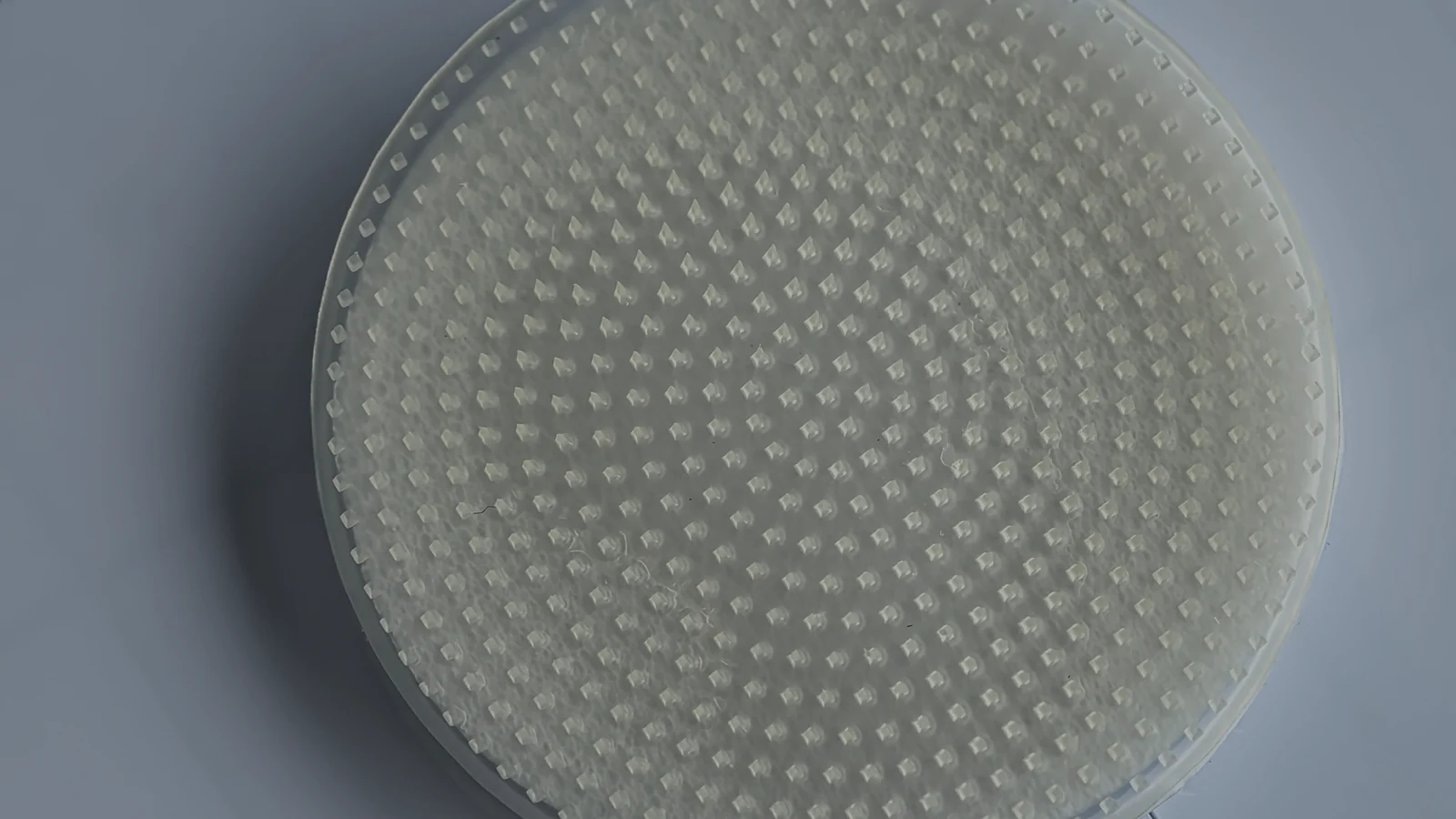
Array parameters
Height, base, taper, pitch, density and footprint.
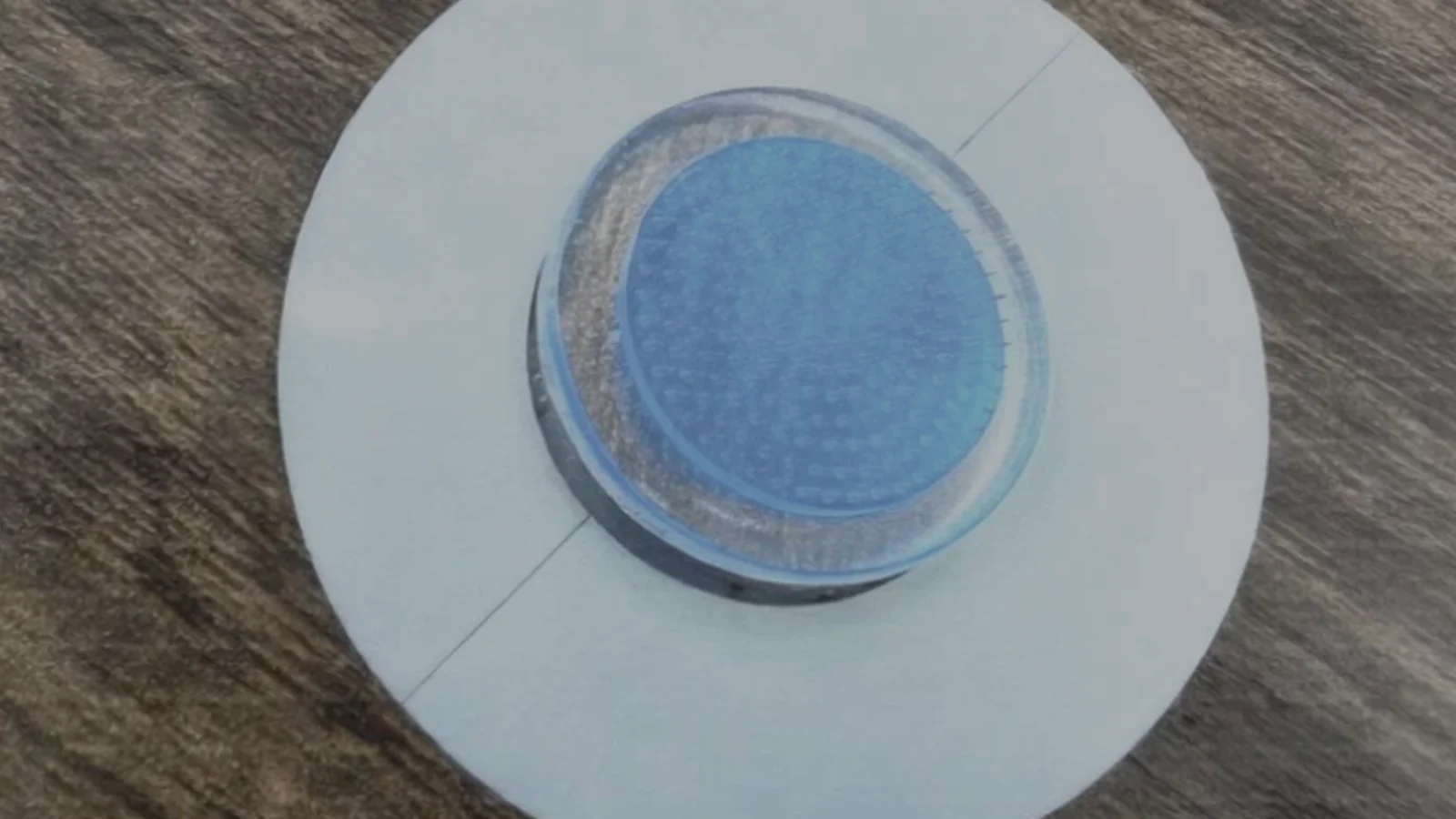
Patch architecture
Shape, backing, application area and handling.
Formula system
Matrix, peptide or active, process exposure and moisture.
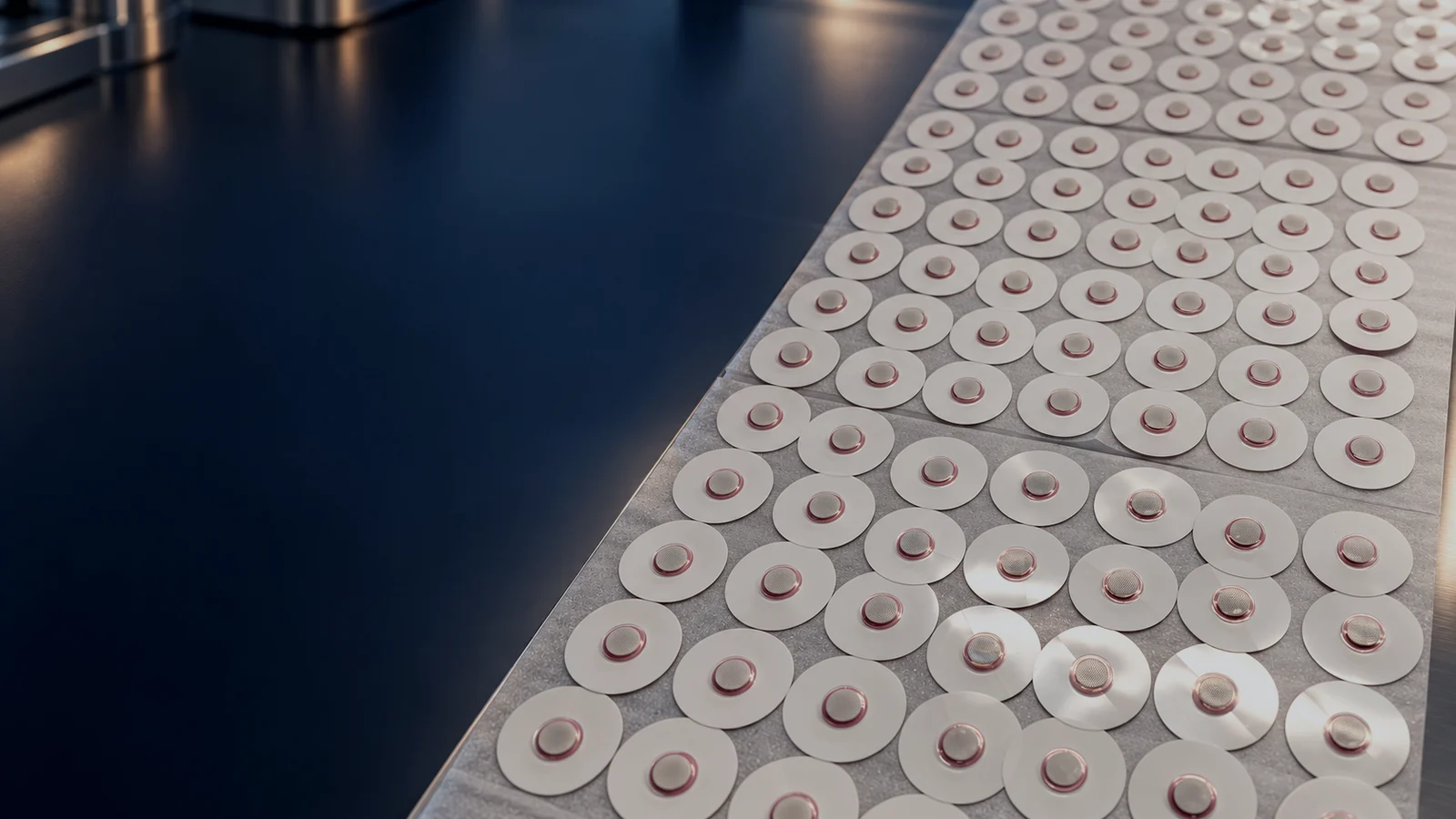
Primary package
Barrier, seal, count, insert and storage statement.
Evidence plan
Release, stability, safety and claim-support questions.
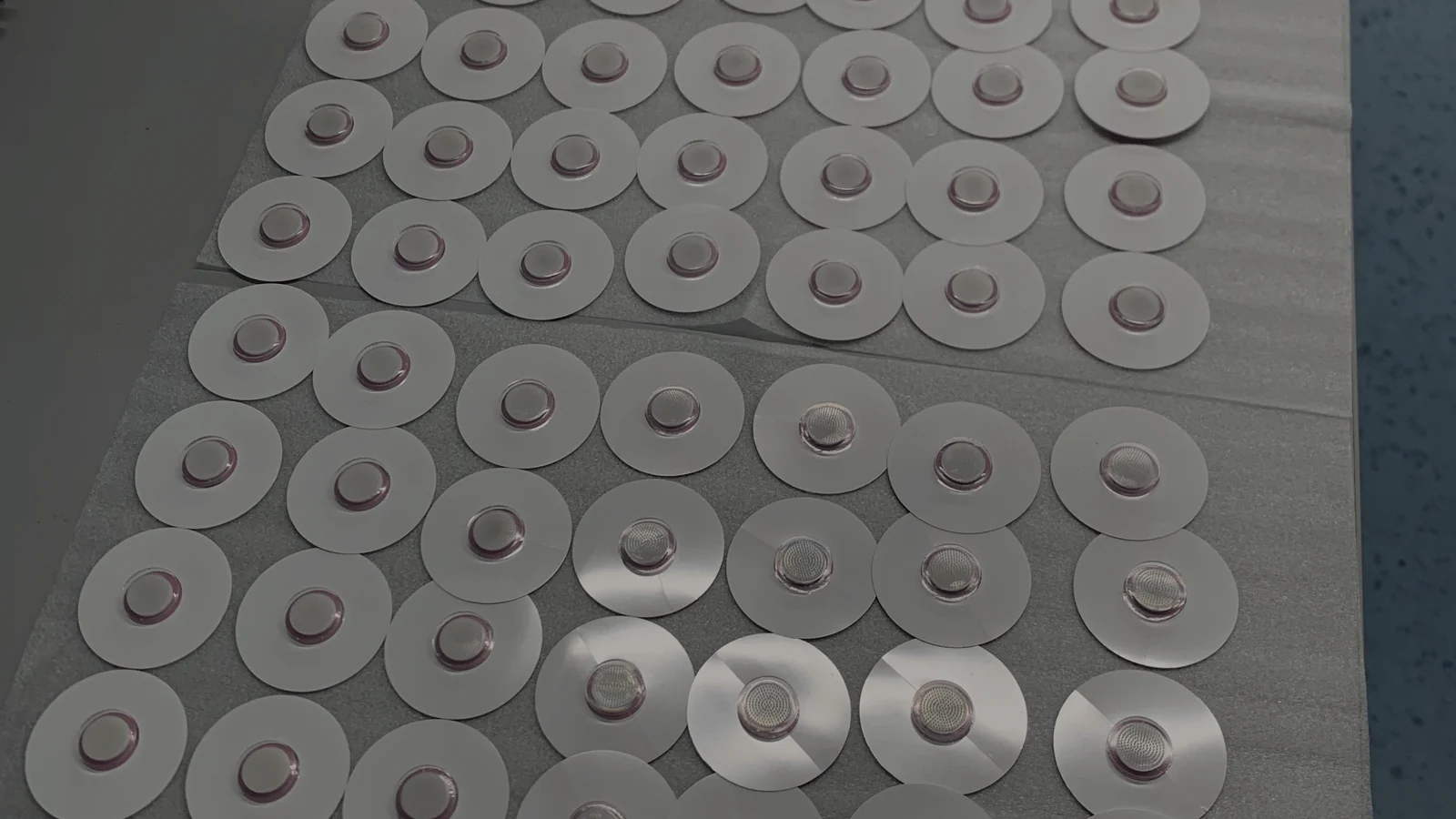
Commercial transfer
Pilot window, specification, yield assumptions and change control.
Shape and geometry are developed together
The format starts with the intended cosmetic area and handling need. Needle height is never selected in isolation: pitch, density, base geometry, footprint, backing and formula behavior must be reviewed as one system.
Round
Compact localized format for defined cosmetic areas.
Rounded square
Balanced footprint for repeatable handling and placement.
Under-eye crescent
Contoured concept requiring ergonomic and boundary review.
Narrow strip
Linear concept for localized cosmetic application zones.
Custom contour
Project-specific outline developed after feasibility review.
Primary barrier and artwork follow the product
Foil pouch, seal, carton and insert decisions are coordinated around verified moisture, light, oxygen, compatibility and storage requirements—not chosen by appearance alone.
Define barrier needs
Review formula sensitivity, pack count, seal and storage assumptions.
Select pouch & carton
Align material, dimensions, handling and secondary-pack format.
Choose artwork route
Use HYTANBIO layout support or supply print-ready customer artwork.
Approve the sample
Confirm copy, dieline, finish and physical sample before production.
What to send
Start with a non-confidential brief. Include intended cosmetic use, patch area, target market, desired active direction, project stage, estimated volume, timing and any geometry or packaging constraints.
Explore the product portfolio
View material platforms, product configurations, formulation references and packaging options from HYTANBIO Changzhou Base.