
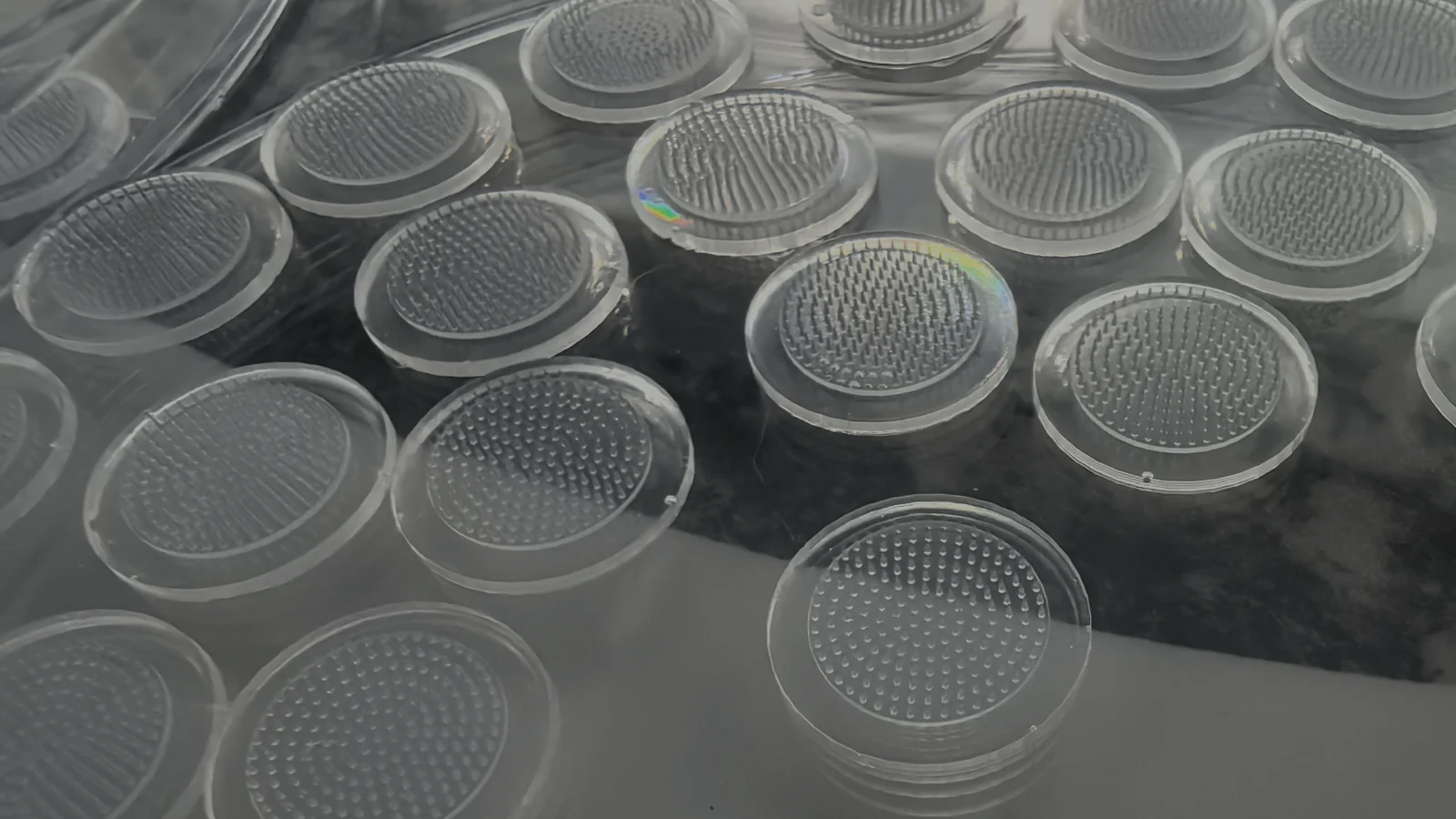
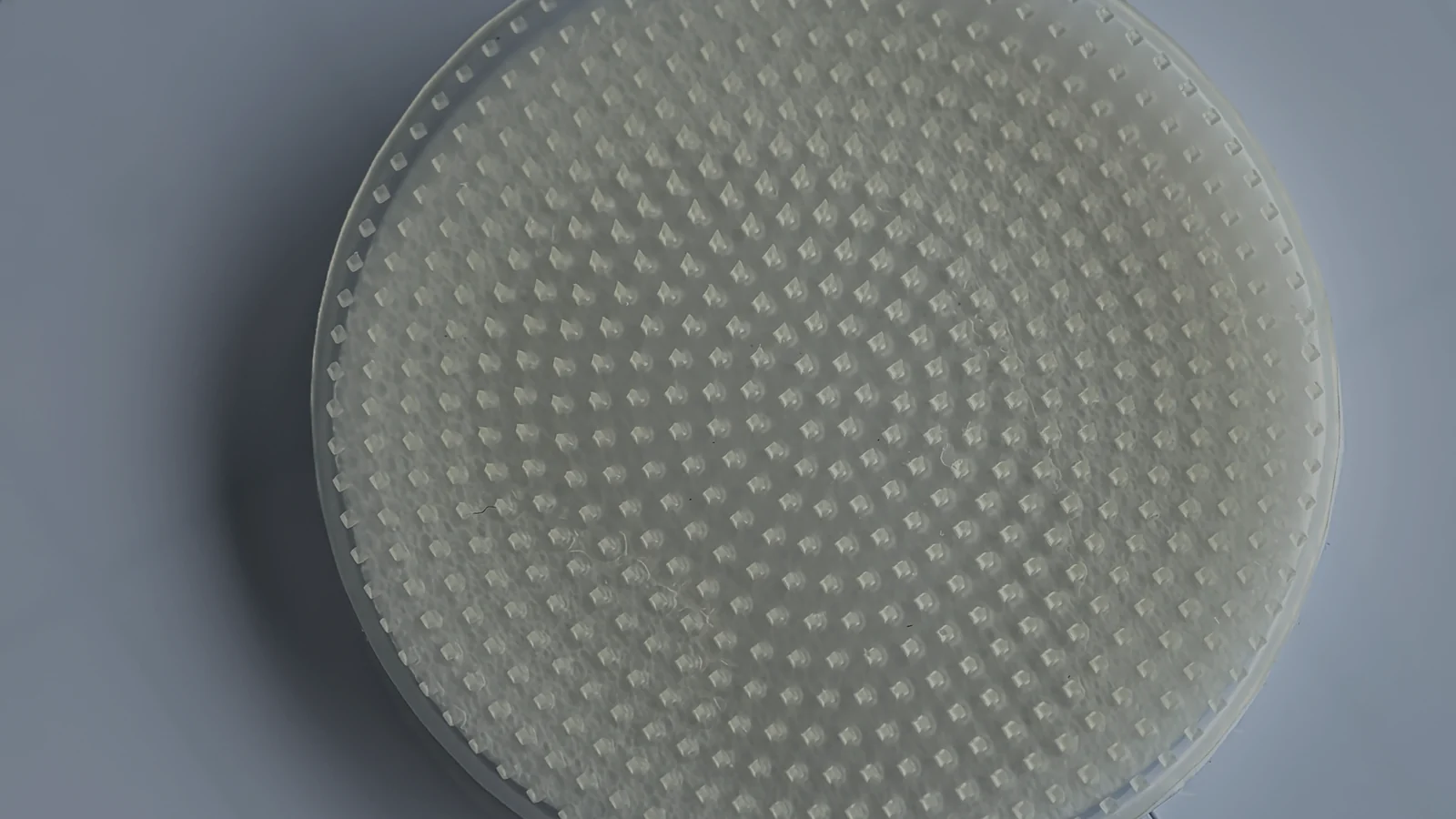
What does cosmetic microneedle CDMO mean?
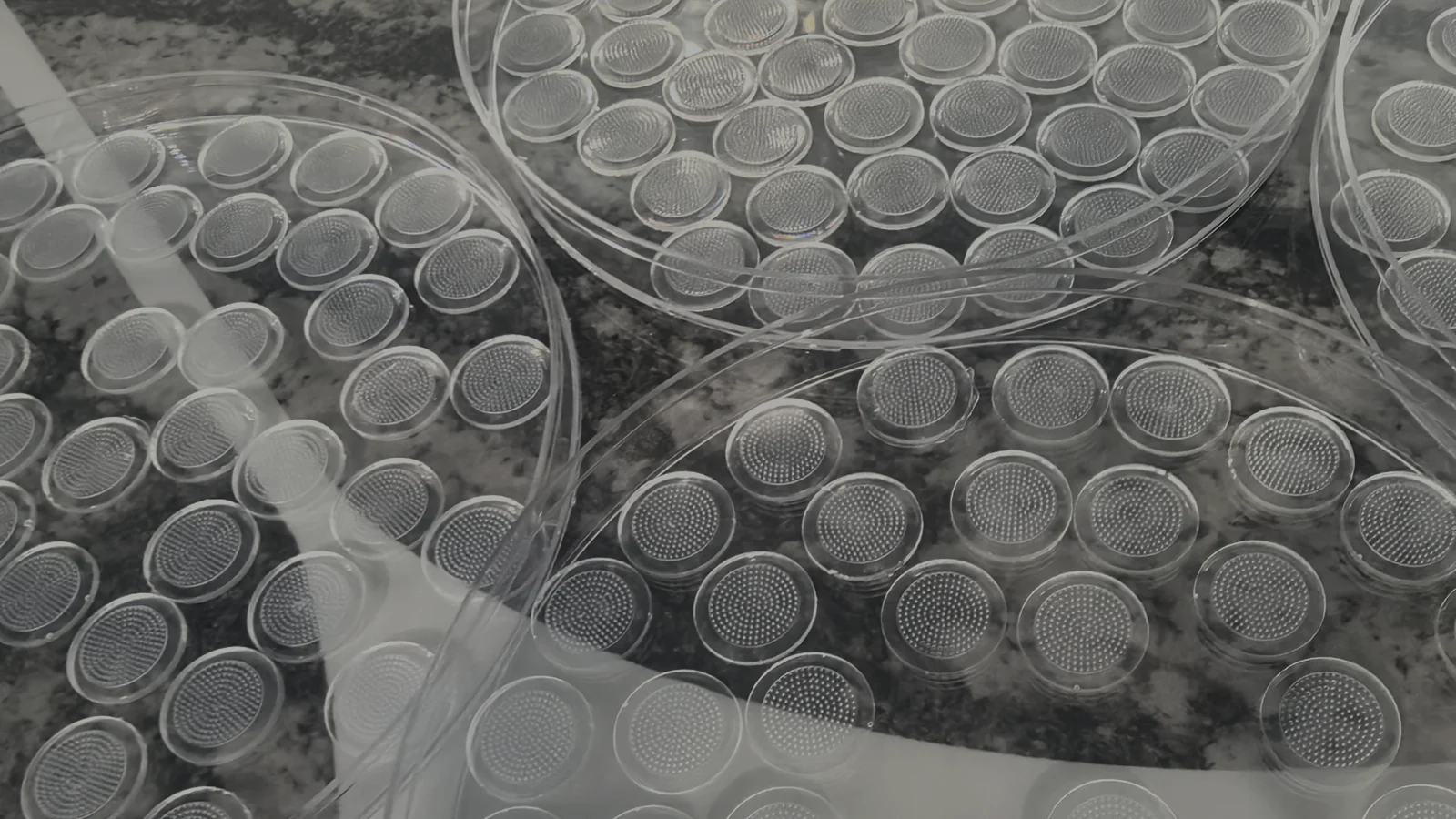
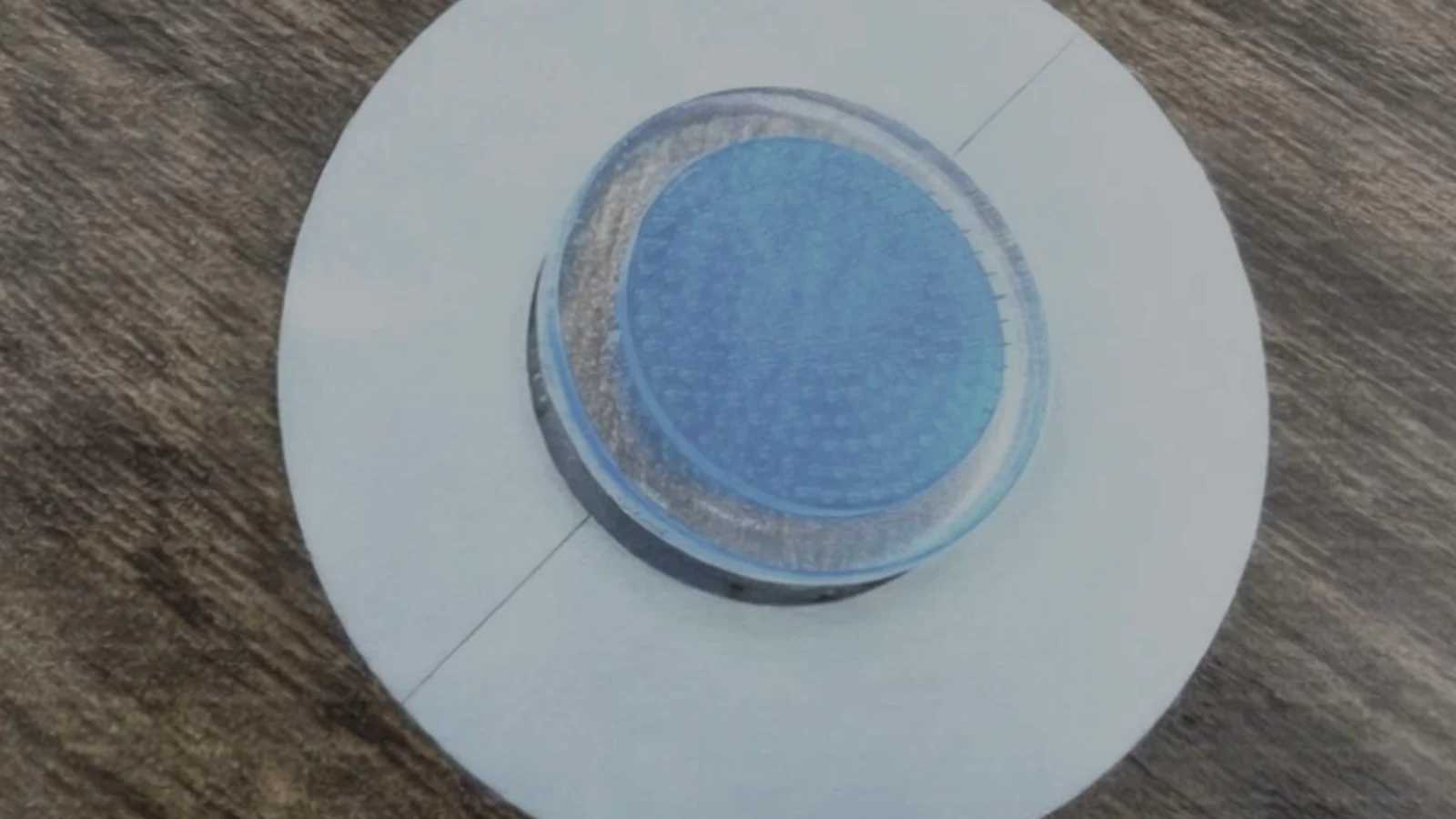
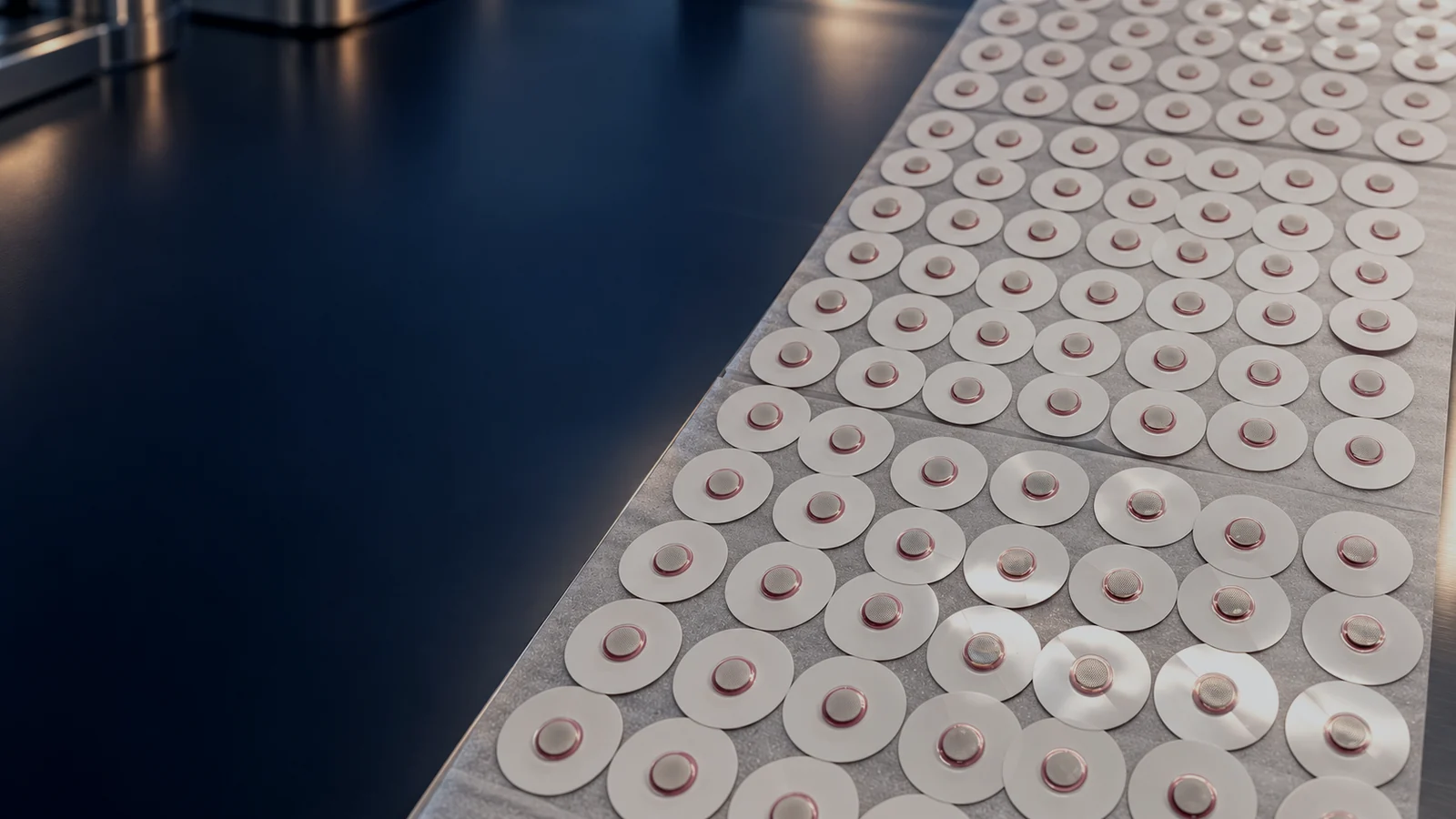
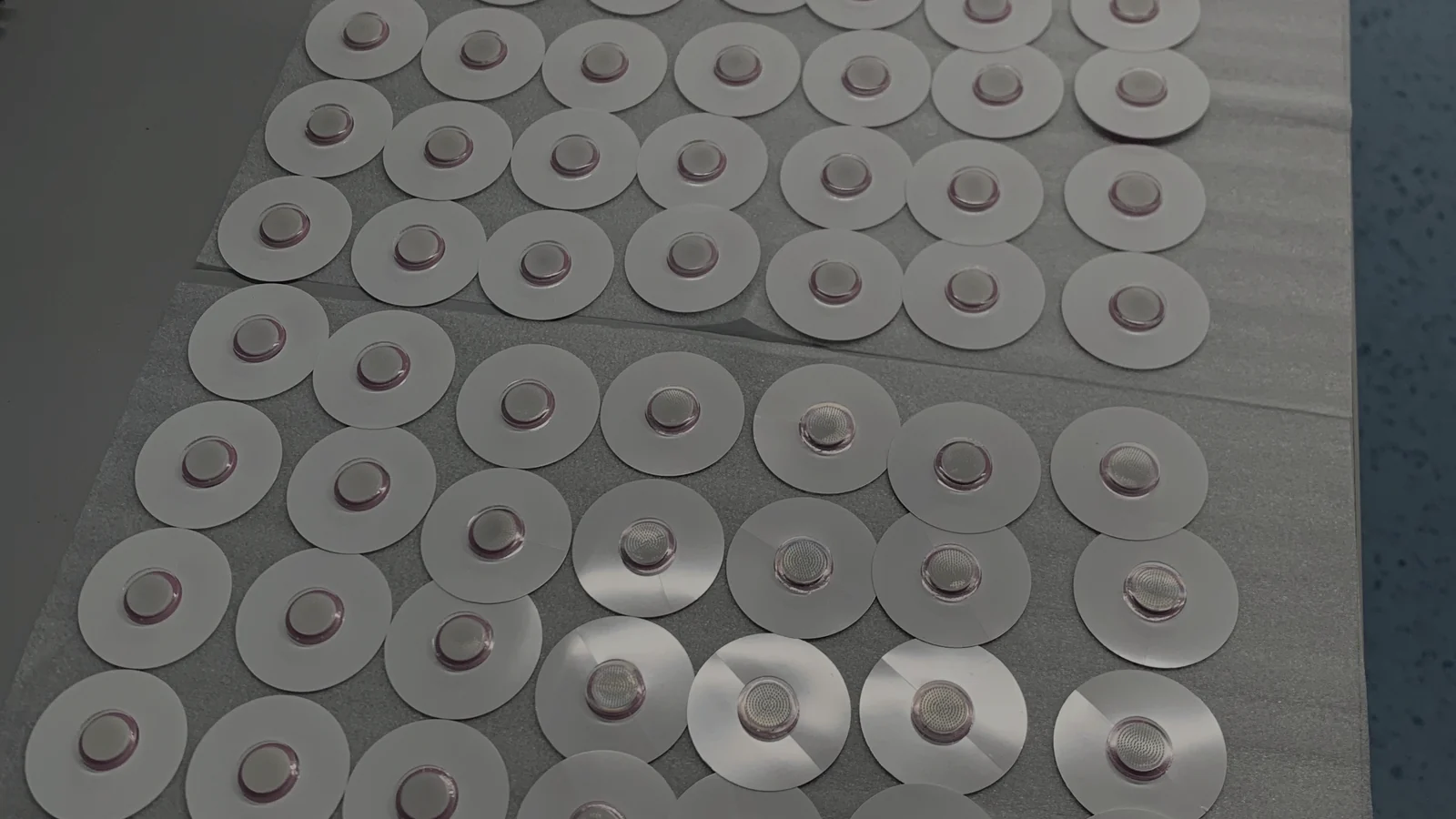
It is a development and manufacturing program for cosmetic-oriented dissolvable microneedle patches, covering feasibility, formulation, array design, prototype work, testing plans, pilot transfer and commercial manufacturing support.
Do you develop pharmaceutical or GLP-1 microneedle patches?
No. Our public program is limited to cosmetic skincare concepts. We do not offer prescription actives, injectable replacements, drug-delivery systems or medical-device claims.
Can you develop a formula from a brand concept?
Yes. A project can begin with an intended cosmetic use, target market, active direction and patch area. Feasibility and evidence needs are defined before prototype work.
Can needle height and array density be customized?
Potentially. Height, base geometry, pitch, density and array footprint are reviewed together because each affects handling, mechanical behavior, dissolution and scale-up.
Do you create custom molds?
Yes, after the geometry, array footprint, backing format, tolerance and prototype acceptance criteria are agreed.
Which cosmetic peptides can be screened?
Examples include Copper Tripeptide-1, Acetyl Hexapeptide-8, Acetyl Tetrapeptide-5, palmitoylated peptides and compatible multi-peptide concepts. Listing is not a guarantee of finished-product suitability.
Can non-peptide cosmetic actives be evaluated?
Yes. Niacinamide, tranexamic-acid concepts, caffeine, ectoin, panthenol, hyaluronic acid and other cosmetic actives can be reviewed for compatibility and market fit.
How do you protect activity-sensitive ingredients?
The team reviews pH, solvent system, oxygen and light exposure, mixing order, hold time, drying conditions, moisture control and barrier packaging as one process.
What does a prototype prove?
A prototype can demonstrate appearance, handling, array formation and agreed screening observations. It does not replace stability, safety, analytical or regulatory evidence for the final product.
What testing can be coordinated?
Programs may include appearance, array integrity, mechanical screening, dissolution observations, content-related methods, microbiological quality, stability and packaging compatibility, depending on the agreed specification.
Do you make skin permeation claims?
Any permeation or performance statement must follow a defined method, sample and evidence package. We do not apply generic performance claims to every formula.
How is pilot manufacturing different from a lab sample?
Pilot work tests whether the selected formula, tooling, drying window, handling and packaging can be transferred under more representative process conditions.
Can packaging be developed in parallel?
Yes. Barrier needs, pouch material, sealing, carton count, inserts and artwork can be coordinated, but primary packaging should not be frozen before moisture and compatibility risks are understood.
What information should a project brief contain?
Include intended cosmetic use, target market, patch area, desired actives, claims direction, project stage, timing, estimated volume and any geometry or packaging constraints.
Do you accept confidential briefs?
An initial non-confidential brief is preferred. Confidential formula, drawings and commercial information can follow an agreed confidentiality process.
How long does development take?
Timing depends on novelty, mold work, ingredient compatibility, testing scope, packaging and revision rounds. A schedule is issued after technical review rather than promised generically.
Is there a fixed minimum order quantity?
No single number applies to every program. Formula novelty, custom tooling, pouch and carton specifications, testing and manufacturing configuration all affect the commercial threshold.
Can an existing formula be transferred?
A supplied formula can be reviewed, but transfer requires identity, specification, process and compatibility information. A successful liquid or topical formula is not automatically suitable for a dissolvable microneedle matrix.
Who owns custom tooling and development data?
Ownership, custody, access, maintenance, change control and reuse restrictions should be defined in the project agreement before custom tooling is commissioned.
What quality documents are available?
The applicable document set is project-specific and may include material specifications, batch records, test results and change records. Current certificates and their legal-entity scope must be verified during qualification.
Can you support EU and US launches?
We can organize manufacturing and technical information, but the brand remains responsible for final classification, safety assessment, claims, labeling and destination-market compliance with qualified advisers.
Do you guarantee CPNP, FDA or other approvals?
No. Market steps depend on the final responsible person, formula, claims and documentation. Supplier support does not replace the brand’s legal responsibilities.
Can you copy a competitor product exactly?
No. We can analyze a commercial brief and develop a differentiated route, but projects must respect intellectual property, confidential information and lawful claims.
Can a product page be treated as a final specification?
No. Website content describes development possibilities. The signed specification, approved sample, test plan and commercial agreement control the actual project.
How do we start?
Send a non-confidential R&D brief through the consultation form. We will identify missing inputs, the likely feasibility route and the next decision gate.