
Author: hytanadmin
Slide 1 of 6
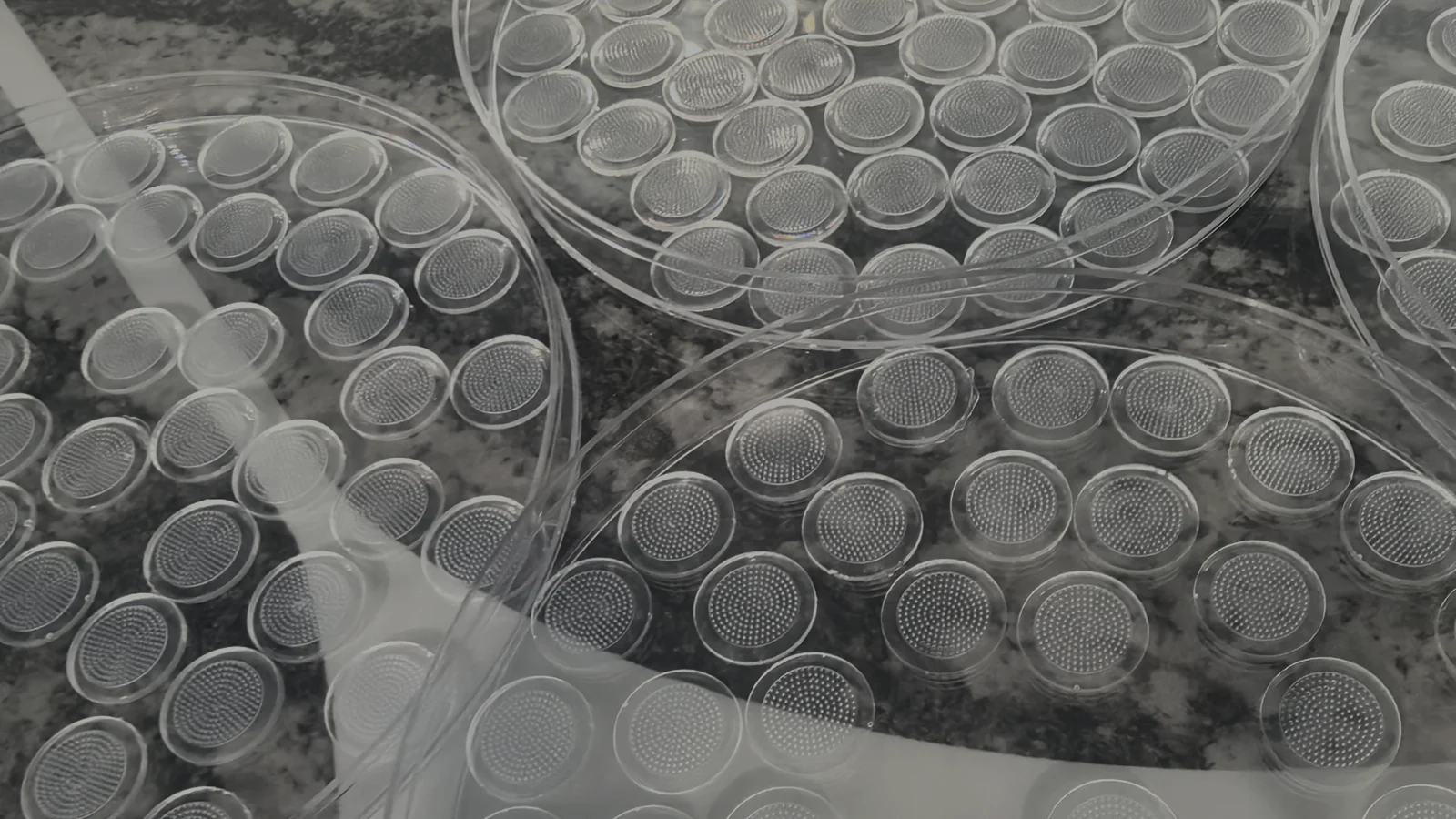
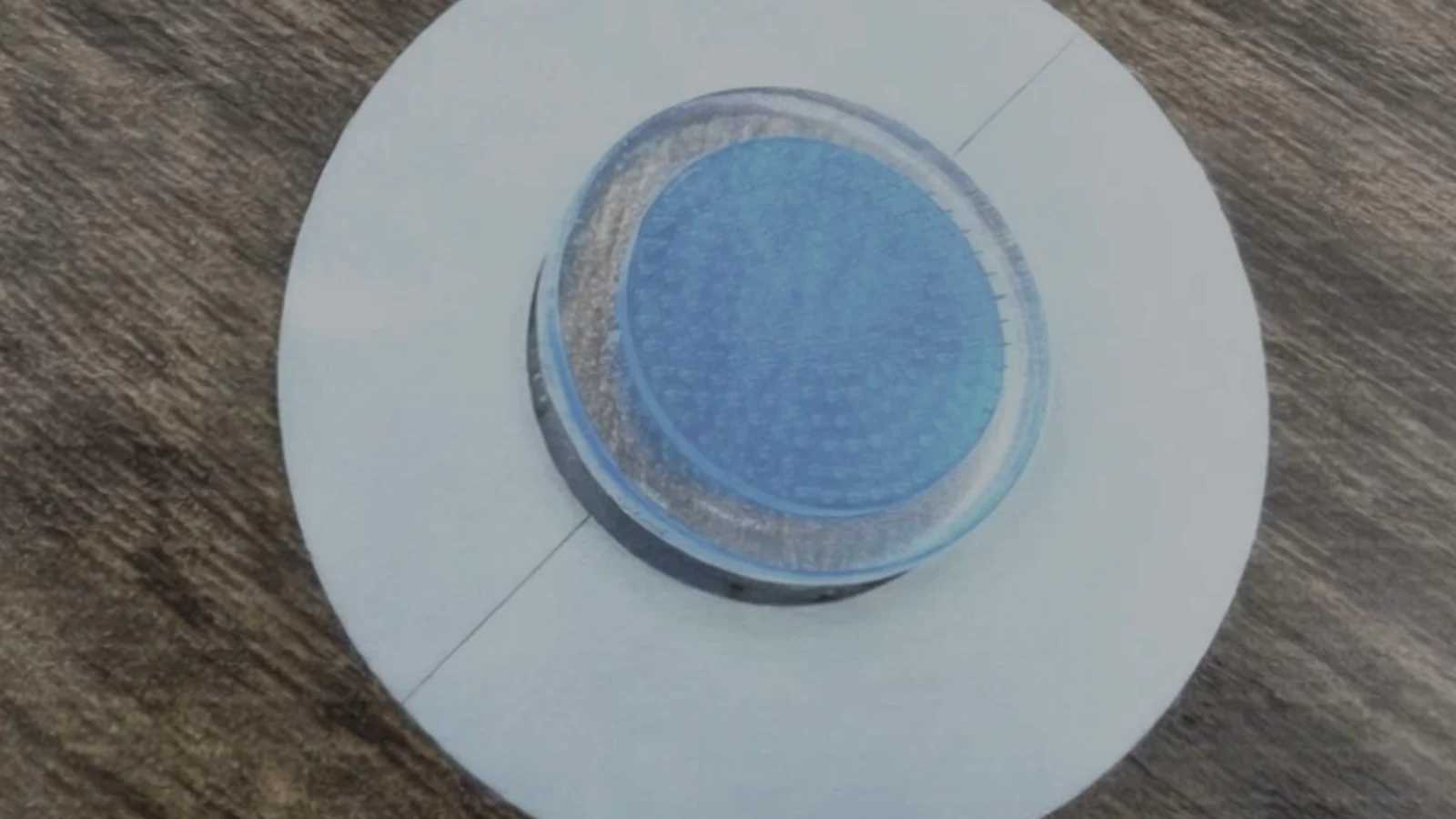
How to Select Needle Height for Under-Eye Cosmetic Microneedle Patches
Needle height should be selected with geometry, backing, skin area, intended cosmetic use, safety plan and market classification—not copied from a competitor.
Common Cosmetic Microneedle Formulation Failures and Corrective Questions
Incomplete filling, bubbles, brittleness, tack, deformation and active loss usually require a root-cause review across formula and process.
Mechanical Properties of Dissolvable Microneedles
Mechanical performance is influenced by geometry, matrix composition, moisture, drying, backing, storage and test method.
Important Compliance Questions for Cosmetic Microneedle Patches in the EU and USA
Classification depends on intended use, claims, ingredients, design, instructions and market context; the word cosmetic alone does not settle it.
How to Scale a Microneedle Patch From Lab Prototype to Commercial Batch
Scale-up requires process understanding, representative equipment, in-process controls, accepted specifications and clear change decisions.
Stability Testing for Dissolvable Cosmetic Microneedle Patches
A useful stability plan links formula, array integrity, moisture, packaging, storage and claims to predefined decisions.
Custom Microneedle Array Design: Key Parameters for Cosmetic Skincare
Height is only one input; base geometry, taper, pitch, density, footprint, backing and formula mechanics must be reviewed together.
How to Stabilize Peptides in a Dissolvable Microneedle Formulation
Peptide stability is a system question involving identity, matrix, pH, oxygen, light, hold time, drying, residual moisture and packaging.